
I think it is fair to say that most of us are familiar with the works that are remixed (even if we are not consciously aware of it). If you ever listened to a continuous set from a DJ or have seen something like this while cruising down the Information Superhighway, you have been introduced to a derivative or remixed work. Furthermore, many will argue that every creative work is a derivative work (http://questioncopyright.org/minute_memes/all_creative_work_is_derivative).
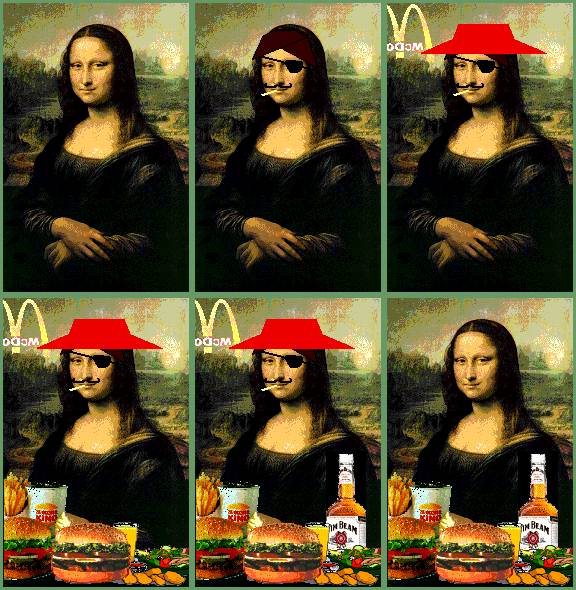
There is a saying among artists, “Everything has been done already, you just have to redo it.” There is another popular saying that you probably often hear from your parents and grandparents, “There is nothing new under the sun.”
That being said, we do have to recognize and respect works of others. The fact that the Internet makes it easy to copy, mass reproduce and appropriate works of others does not mean it is free for all. There are only two ways that someone else’s work can be used without permission:
fair use: the ability to use copyrighted work without permission, but only in certain ways and in specific situations (schoolwork and education, news reporting, criticizing or commenting on something, and comedy/parody)
public domain: creative work that’s not copyrighted and therefore free for you to use however you want
Furthermore, even though you can copy, share, distribute, perform, change, remix, and alter the work under these two circumstances, you still cannot claim copyright to public domain work and say you created it (or can you?).
1. What is a Remix? — In this fascinating talk from TEDxKC, “Steal like an artist,” Austin Kleon talks about the spirit of remixing and argues that creative people are collectors of ideas:
2. Read the interview with Lawrence Lessig in which he talks about current issues with the Copyright as it stands now: http://cabinetmagazine.org/issues/8/lessig.php
3. Read “Copyright Law on the Internet Is a Total Train Wreck Right Now”
4. Watch the video by Kirby Ferguson in which he explains how our system of law doesn’t acknowledge the derivative nature of creativity: